Alaska /
Innoko Wilderness
Innoko Wilderness
Alaska ·
Overview
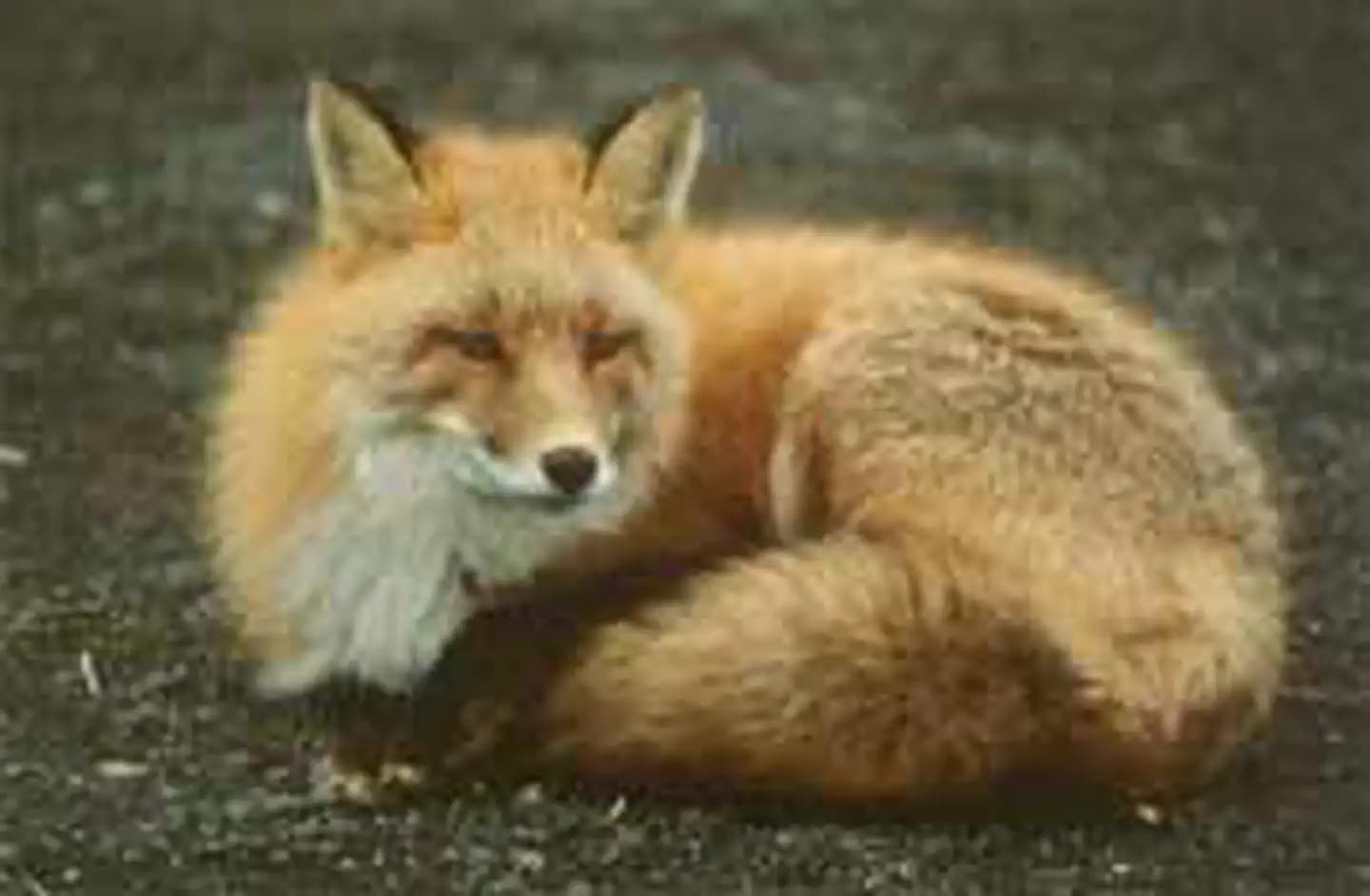
The Innoko Wilderness now contains a total of 1,240,000 acres and is managed by the Fish & Wildlife Service's Innoko National Wildlife Refuge . All of the Wilderness is in the state of Alaska. In 1980 the Innoko Wilderness became part of the now over 110 million acre National Wilderness Preservation System. Along the eastern bank of the Yukon River, bordered on the north by the Khotol Hills and the south and east by the Kuskokwim Mountains, Innoko National Wildlife Refuge is split into two huge halves that together contain 3.85 million acres. The southeastern portion of the refuge, roughly one-third of the total area, has been designated Wilderness. A transition zone between the boreal forestland of interior Alaska and the open tundra of western Alaska, Innoko stands well over half in wetlands of muskeg and marsh, lakes, meandering rivers, and streams dotted with islands of black spruce and an understory of mosses, lichens, and shrubs. Paper birch and white spruce cover hills rolling up from the Yukon and Innoko Rivers, and along the rivers you'll find numerous privately owned subsistence camps used periodically for hunting and fishing by Native Alaskans. The rivers, bound with willows and alder, run rich with salmon, whitefish, sheefish, grayling, and northern pike. All the lakes have northern pike except the shallow bodies of water that freeze to the bottom in winter. More than 20,000 beavers live in these wetlands, the densest population in the state, along with moose and caribou, black and brown bears, red foxes, coyotes, lynx, otters, wolves, and wolverines. An estimated 65,000 white-fronted and lesser Canada geese spend their summers here with more than 380,000 other waterfowl and shorebirds, including pintails, scaups, shovelers, scoters, widgeons, red-necked grebes, lesser yellowlegs, and Hudsonian godwits. Hungry mosquitoes cloud the summer landscape. Of the few human visitors, moose hunters are the most common. They find no trails, no facilities, and no immediate aid from the refuge staff of seven permanent employees who live 70 air miles away. Camping is unrestricted, except on private inholdings. Campfires are permitted, and firewood is abundant. You could get rained on anytime in spring, summer, or fall, and temperatures could drop to freezing any night of the year. Winter temperatures sometimes reach 60 degrees below zero Fahrenheit. From May through July light is almost constant, and the sun never sets in mid-June. In mid-December the sun never rises. If you come, bring rubber boots for walking. You'll need binoculars for observing all the wildlife--except the mosquitoes, of course, which are inescapable.
Fee range
Fee unavailable
Season
Seasonal — contact for dates
Reservable
No
Sites available
Tent-focused
Amenities
Activities
Map & Nearby
Nearest town
Yukon-Koyukuk Census Area, AK
Nearest major city
Seattle, WA
~1742 miles away
Weather
Weather — coming soon
Live forecast widget arriving in a future update.
Reviews
Be the first to review this campground. Reviews and saved lists arrive in Phase 2.